Monthly Archives: January 2026

Winter Interest in the Garden

Many gardeners think of the fourth season as a time for rest, but winter can be interesting and fun to plan for a bold, appealing landscape. While most of us plan our landscapes for bloom times in spring and summer, there are many plants offering color and texture appeal for the cold season landscape.

Winter Beauty in Your Landscape

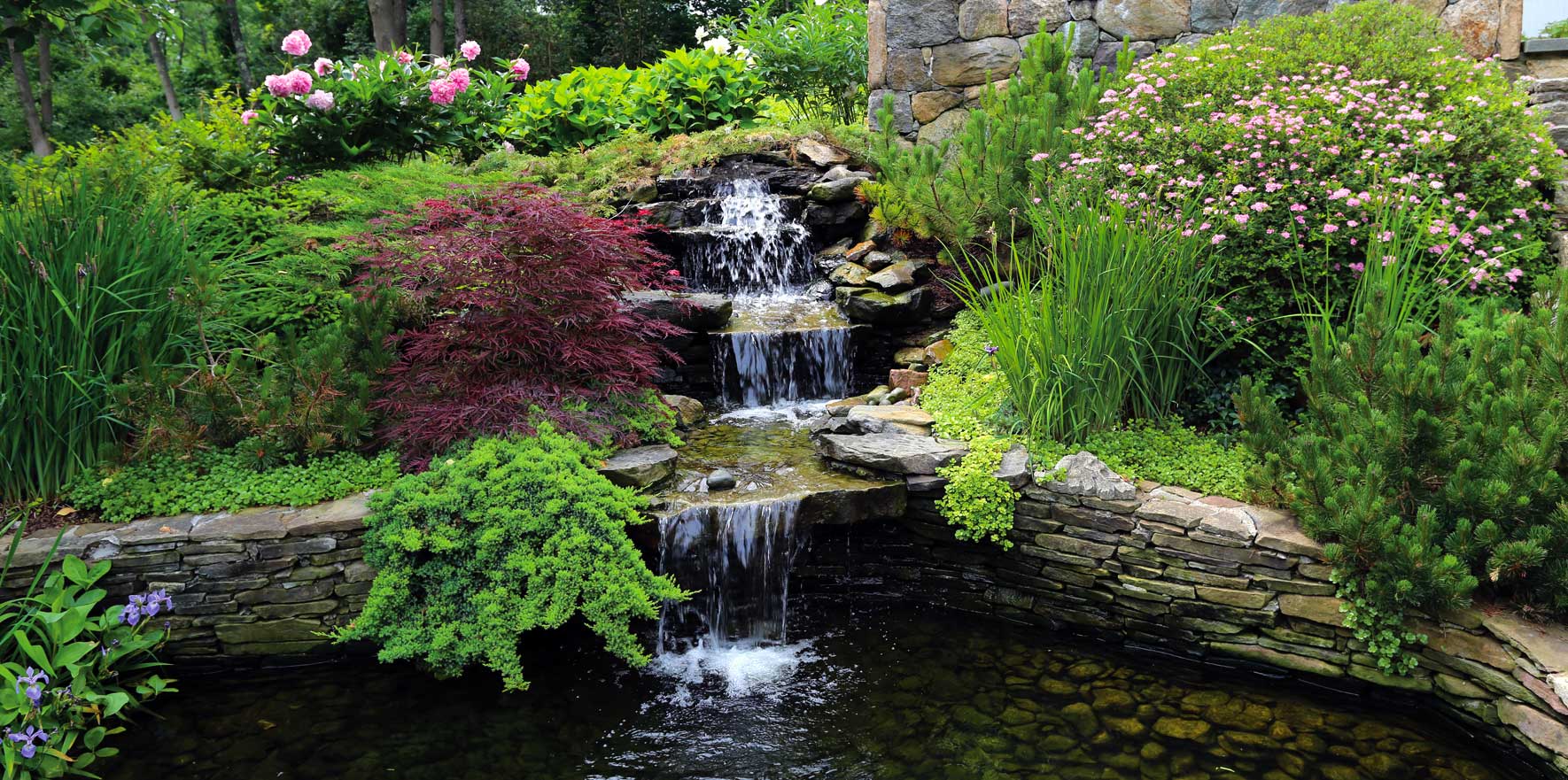
Winter is a time of special beauty and interest. Berries sparkle on shrubs under a layer of frost and ice, while other shrubs have shades of bronze leaves that cling and rattle in winter breezes. The leafless branches of larger trees cast dramatic shadows across the freshly fallen snow. Bark hidden by the leaves of summer stands out gorgeously in the winter. Barks of silvery gray, white, green, yellow, purple or red hues add a burst of color when the landscape is covered in white. Even barks that are deeply fissured, sleek as satin, peeling in thin layers or curiously pocked by a pitted surface give interest to a wonderful winter landscape. Dried grasses stand out in bright contrast against the backdrop of dark evergreens, shaking snow off their delicate heads. There is even the surprising yellow ribbon-like blooms of witch-hazel which flower in mid-winter or the delicate lavenders and blues of tiny species of crocuses under the snow. Pansies are also a great addition for late-season winter color in your flowerbeds. Everywhere you look, there can be beauty in the winter landscape.

Top Plants for Winter Interest

Many different plants offer interesting features that reach their full potential in the winter landscape. Popular options include…

  • Paperbark Maple (Acer grisium)
  • Threadleaf Japanese Maple (Acer palmatum dissectum)
  • Red Chokeberry (Aronia arbutifalia)
  • Shagbark Hickory (Carya ovata)
  • Blue Atlas Cedar (Cedrus atlantica ‘Glauca’)
  • Harry Lauder’s Walking Stick (Corylus avellana ‘Contorta’)
  • Winter Dephne (Daphne odora)
  • Common Snow Drops (Galanthus nivalis)
  • Wintergreen (Gaultheria procumbens)
  • Christmas Rose (Heleboris niger)
  • Chinese witch-hazel (Hamamelis mollis)
  • Winterberry Holly (Ilex verticillata) Need female and male plant for berries
  • Christmas fern (Polystichun acrostichoides)
  • Common Camellia (Camellia japonica)
  • Heathers/Heaths

Not sure which plants will offer the beauty you want to see all winter long? Our experts are always happy to help you plan the best landscape design for all four seasons, so come in and share your ideas today and we’ll help you be prepared for an amazing winter landscape.

Winter Interest
Winter Interest

New Year Gardening Resolutions

As a new year begins, so do our garden plans. Winter is now halfway through; day length is increasing, and exhilarating notions of having the best garden ever consume our thoughts almost daily. Here are some resolutions to help make your dreams come true this gardening season.

  • PLAN – A little garden planning goes a long way. Layout your garden design for vegetables, herbs, and flowers, even trees and shrubs, to maximize space, efficiency, and beauty.
  • IMPROVE – Healthy soil equals healthy plants. A soil test will tell you what needs improvement. Add the recommended amendments to feed both the soil and plants for a vibrant, beautiful, and productive garden. Resolving to stick to a regular weeding, feeding, and watering schedule will also help improve your garden results.
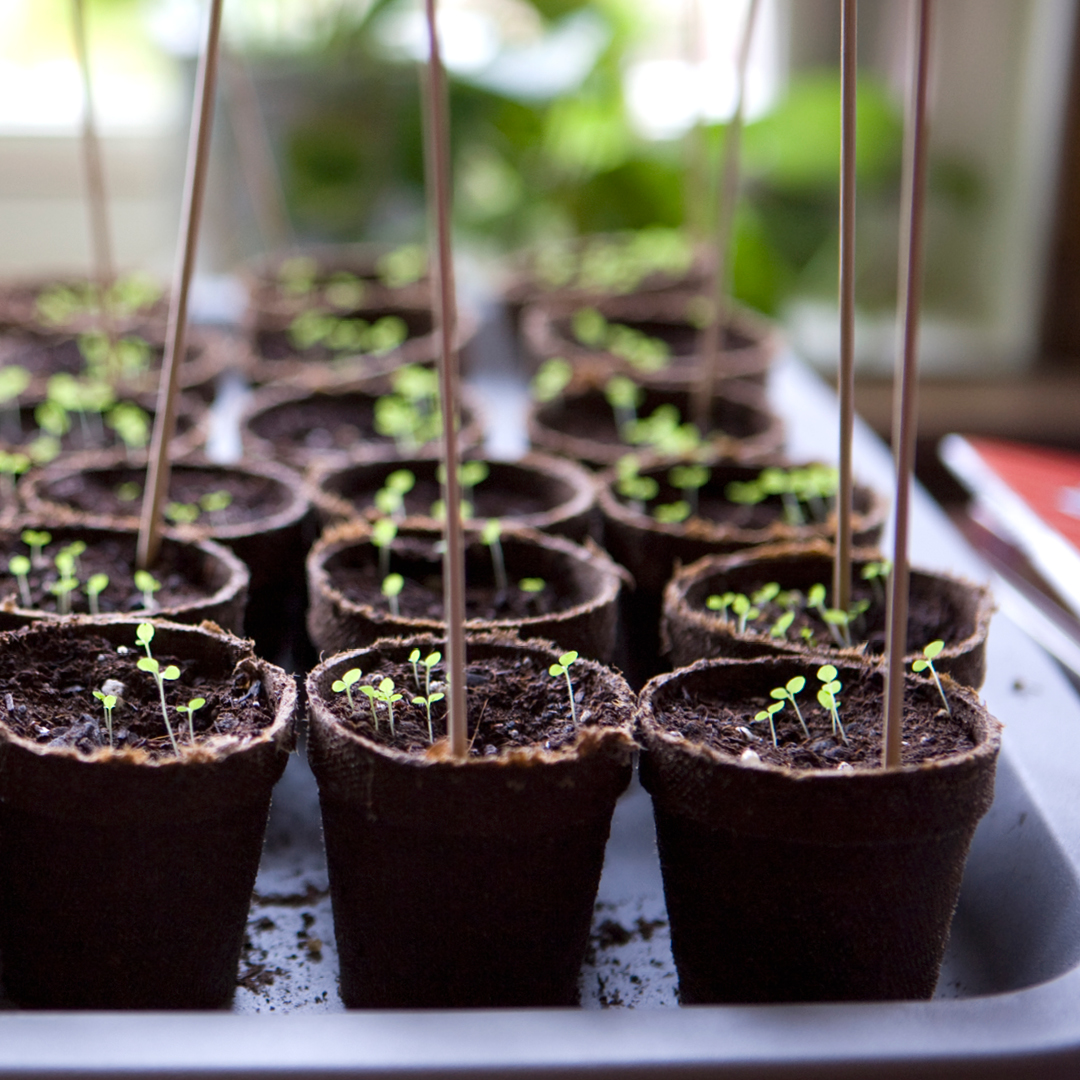
  • START – There’s just something special about starting seeds indoors. Maybe it’s the improved cultivar selection, the excitement of beginning a new gardening year, or simply getting your hands in the soil during the winter months. Whatever the reason, it’s beneficial to get a jumpstart on the season by starting and growing seedlings under grow lights.
  • TRY – This year, resolve to try something new every season. Experiment with one unusual vegetable, herb, or flower. This is an excellent way to increase both plant and garden knowledge and may result in a delightful, unexpected outcome.
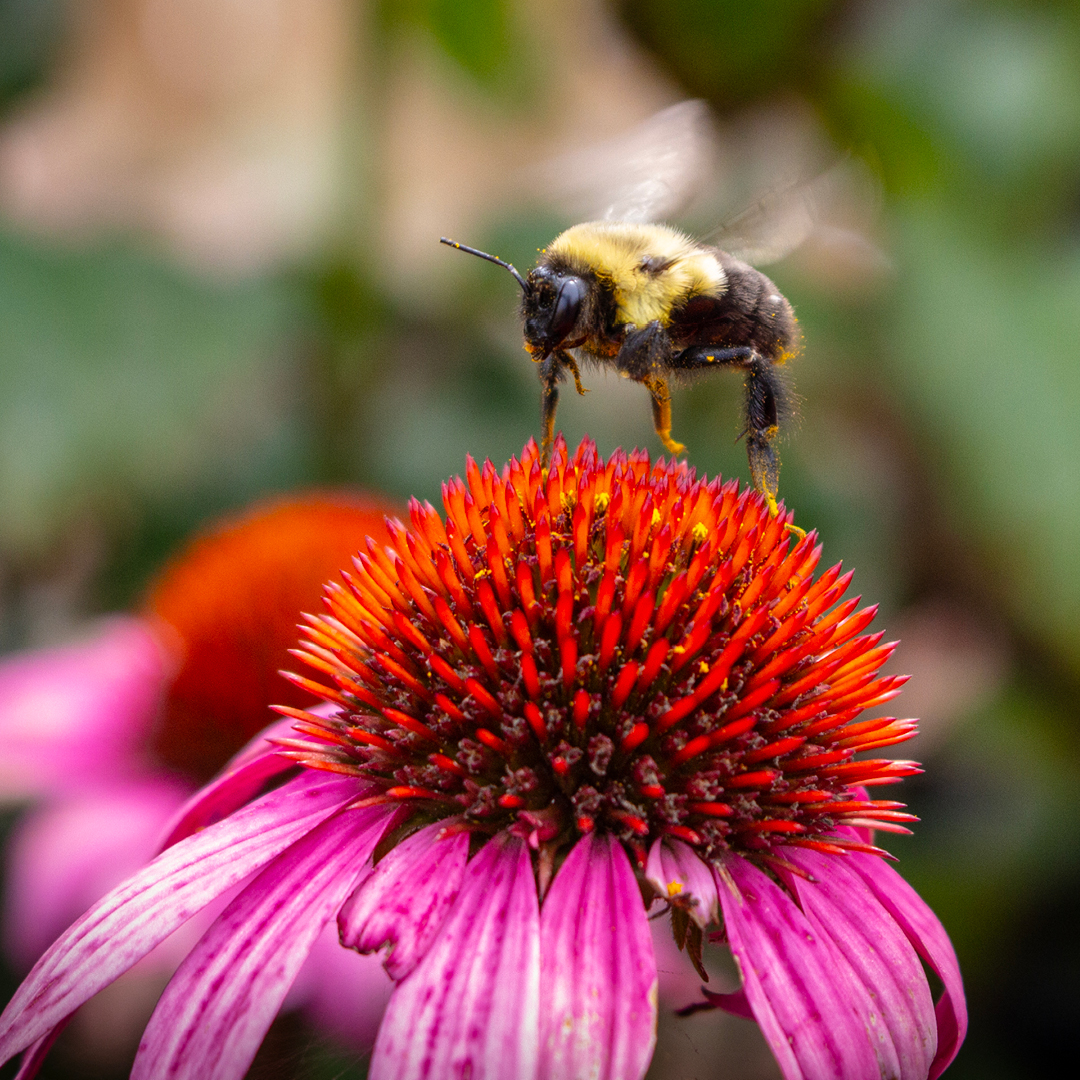
  • ATTRACT – Plant more bee-friendly plants to attract pollinators. Some of the best plants for this purpose are native. Be sure to include early, mid, and late-season bloomers to ensure that veggie plants are pollinated and producing and to keep pollinators active, plump, and happy all growing season long.
  • IMPART – What greater gift can you impart to children than a lifelong love of gardening? This year, involve the whole family, from youngest to oldest, by giving kids their own small plot, raised bed, or container to plant, nurture, and learn from.
  • PRESERVE – Don’t allow your hard work to go to waste. Harvest fruits, vegetables, and herbs at peak ripeness when they are their tastiest. Preserve the abundance. Can, freeze, or dry extra produce so you can enjoy homegrown all year.

This list will start you on your New Year’s gardening journey. Feel free to add to this list to personalize it. Use it to evaluate your successes at the end of the year and for planning purposes next January as you resolve, yet again, to have the best garden ever!

new year gardening

new year gardening

new year gardening

Love in a Houseplant – Heart-Shaped Houseplants

While roses are red and violets are blue, consider gifting your Valentine something different this year. What better way to say “long-term relationship” than with a heart-inspired houseplant? Let love blossom as your love does with these gorgeous, eye-catching, heart-shaped plants.

Perennial Gardens has so many options for you to choose from, but let us help narrow your list. Here are some of our favorites:

  • Sweetheart Hoyas
    Gift this solitary, waxy, succulent heart to the one who has claimed yours. This houseplant is available in solid green or variegated. Extremely slow growing, Hoya will eventually grow into a vining plant if given the right conditions.
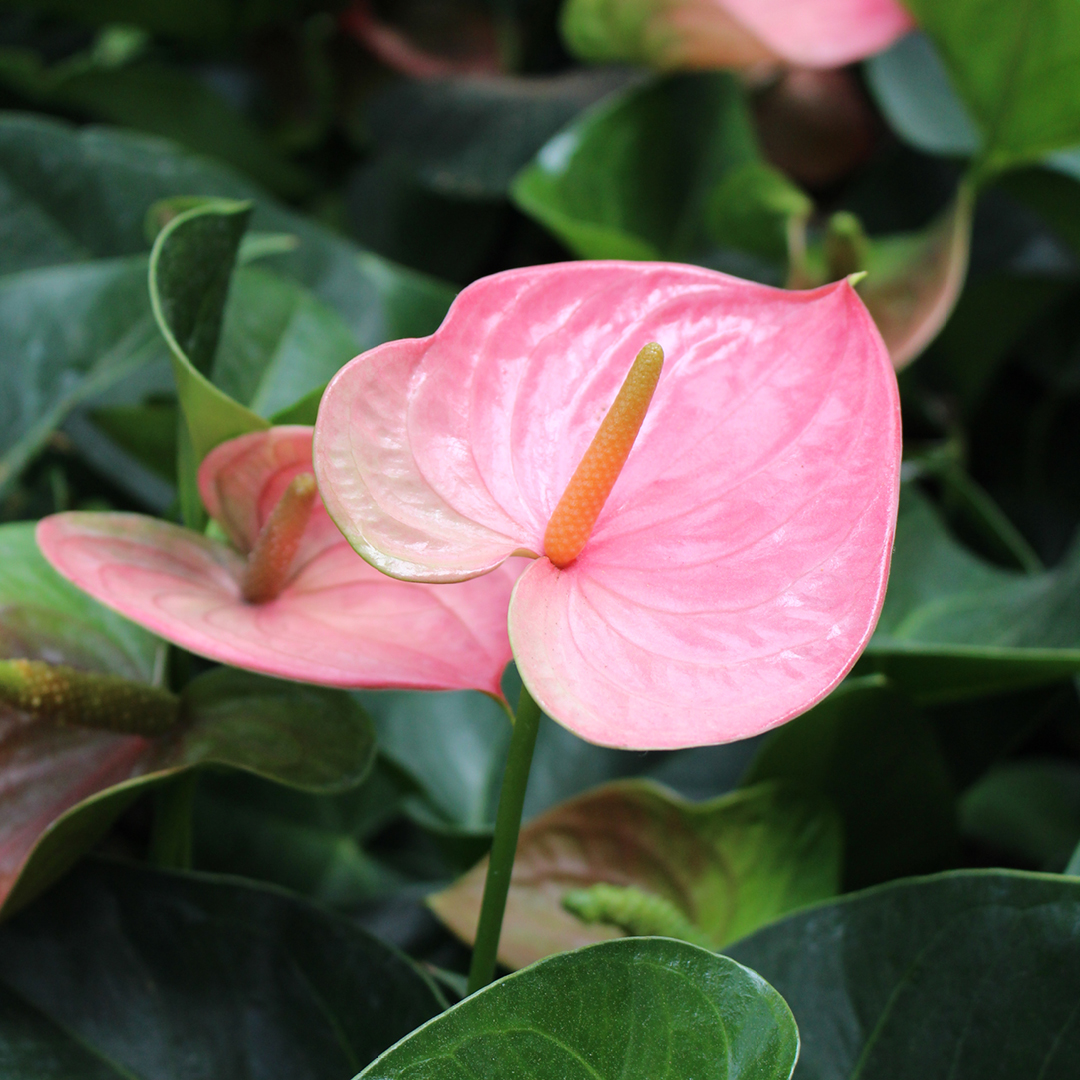
  • Anthurium
    Perfect for Valentine’s Day! This tropical-looking houseplant, with heart-shaped spathes in shades of red and pink, favors bright, indirect sunlight and high humidity. Enjoy its long-lasting blooms for years to come!
  • Heartleaf Philodendron
    This slow-growing, long-living, easy-care plant is perfect for the inexperienced houseplant lover. Heart-shaped leaves frame delicate, wavy stems. Whether hung from the ceiling or trained to climb, Heartleaf Philodendron are sure to earn a place in your Valentine’s heart!
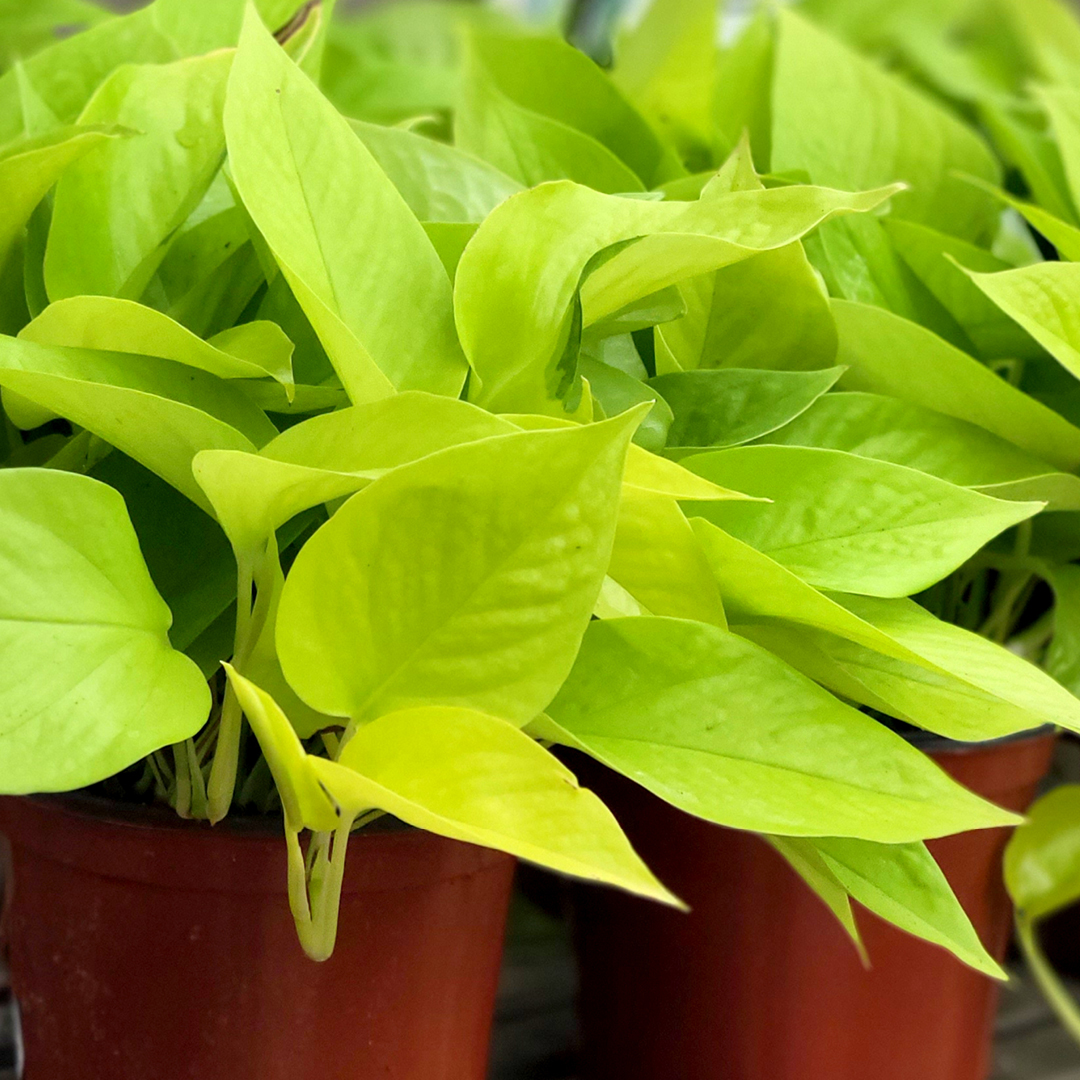
  • Golden Pothos
    Characterized by pointy, heart-shaped leaves of green, yellow, and white, the undemanding Golden Pothos is sure to charm your Valentine. Similar to the Heartleaf Philodendron, these houseplants are low-maintenance and can be trained to climb, crawling up to ten feet!
  • String of Hearts
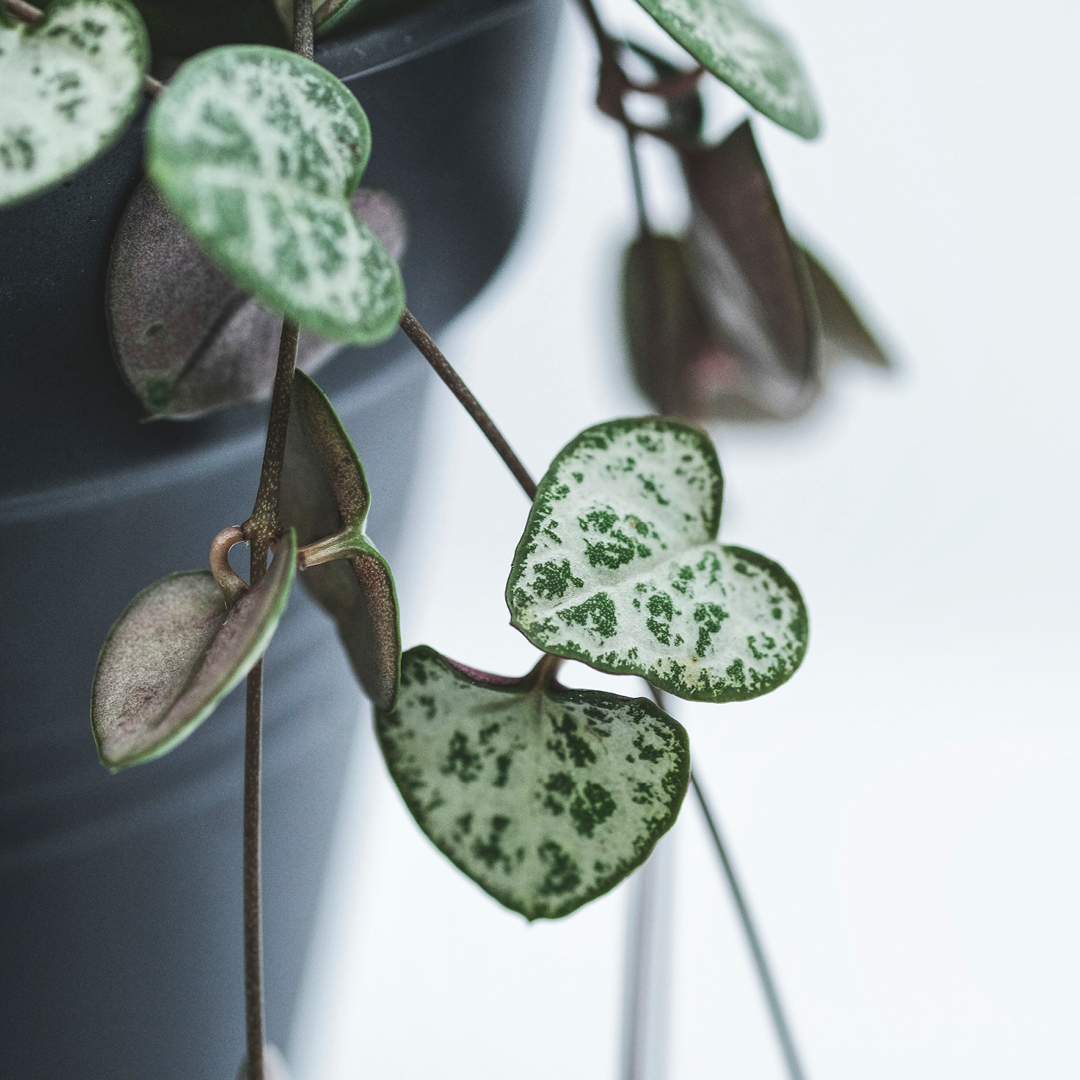
    Perfect for those forgetful plant parents, this delicate-looking plant is tough and thrives on neglect. The String of Hearts houseplant showcases beautiful, grey-green marbled, heart-shaped leaves tinged with pink. Tendrils of love will seek your affection with its tumbling vine display. This succulent will fit right into any esthetic.
  • Arrowhead Vine
    Bring the tropics home with this luscious heart-shaped vine. Flaunting beautiful, variegated leaves, let this velvety-textured houseplant capture your loved one’s heart. Arrowhead Vines are low-light thriving plants, sure to add interest to any decor.
  • Mask Plant
    Your Valentine will be saying “oo-la-la” with this stunning, uniquely textured houseplant. The waxy leaves contain the most impressive contrast between the dark leaf and its silvery-yellow veins. This tropical-vining houseplant confidently enchants any viewer who dares to gaze upon it.
  • Peperomia
    This decorative houseplant flaunts intricately patterned leaves of green and cream. True to its succulent nature, the waxy, thick leaves are as hardy as your love! From alluring, ornamental foliage to air-purifying properties, Peperomia is a gift that just keeps on giving.
  • Philodendron Monstera
    Create your own tropical paradise this Valentine’s Day with this large-leafed houseplant! Adding that “wow” factor to any room, its glossy heart-shaped leaves are found in vibrant shades of greens. Fawn over its impressively large leaves, tending as it continues to grow over time.
  • Cyclamen
    Heart-shaped leaves weave an elegant pattern of greens, while petite, elegant flowers brighten up a room with dynamic reds, pinks, and whites. This houseplant is sure to bring a smile to your Valentine’s face. Not for the faint of heart, cyclamen can be forced to bloom again after dormancy.

Why stop there? Complete your Valentine’s Day gift with a decorative pot and the tools needed to care for a new houseplant. We have everything you need to set your sweetheart up for success.

Stop by Perennial Gardens and check out our incredible selection of houseplants, pots, supplies, and more! Our friendly and knowledgeable staff is here to help guide you on your journey to a victorious Valentine’s Day!

Heart Plant
Heart Plant
Heart Plant

Low Light Houseplants

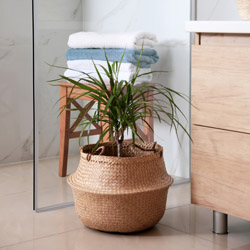
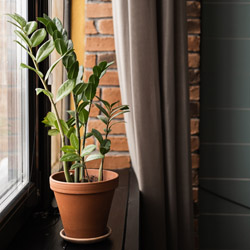
Plants brighten up any room, help clean the air and bring a bit of nature inside, but indoor spaces rarely have the same levels of bright, natural light many plants enjoy in their native habitats. Without adequate light, a plant’s foliage may be dull or turn yellow or brown, growth will be slow and flowers may fail to bloom. Choosing low light houseplants is an ideal solution for any indoor space, and there are many beautiful plants that can thrive in a dim environment.

20 Best Houseplants for Low Light

There are many reasons to opt for low light houseplants. Some rooms, such as bedrooms and bathrooms, generally have lower than average light levels. Some homeowners use window shades, blinds or curtains for temperature control, which reduces the light available for indoor plants. Even bright rooms may have dim corners or shadowed spaces where light isn’t as intense. The exposure of any window also affects the sunlight it brings indoors, with north and west windows generally having lower light than south and east windows. Changing seasons also changes how much sunlight comes through any window, with less light available to indoor plants in fall and winter. Fortunately, there are many outstanding houseplants that can grow well in lower light conditions. While the best plants for your home will also vary based on humidity conditions and the care you can provide, houseplants that don’t mind lower light include:

  • Begonia (Begonia)
  • Bromeliads (Aechmea)
  • Cast Iron Plant (Aspidistra)
  • Chinese Evergreen (Aglaonema)
  • Corn Plant (Dracaena fragrans)
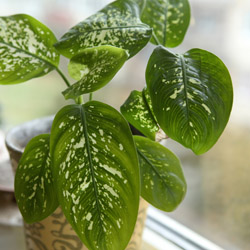
  • Dumb Cane (Dieffenbachia)
  • Heartleaf Philodendron (Philodendron hederaceum)
  • Lucky Bamboo (Dracaena)
  • Maindenhair Fern (Adiantum)
  • Parlor Palm (Chamaedorea elegans)
  • Peace Lily (Spathiphyllum wallisii)
  • Peperomia (Peperomia)
  • Ponytail Palm (Beaucarnea recurvata)
  • Pothos (Epipremnum aureum)
  • Prayer Plant (Calathea)
  • Rubber Plant (Ficus elastica)
  • Snake Plant (Sansevieria)
  • Spider Plant (Chlorophytum)
  • Sword Fern (Polystichum munitum)
  • ZZ Plant (Zamioculcas zamiifolia)

These are just a few of the most widespread, popular indoor plants that can do well with lower light levels. Check at your local nursery or garden center for additional varieties that are adapted to your region’s climate, especially during the winter months when houseplants are much more widely available.

Caring for Low Light Houseplants

It is important to note that whatever type of houseplant you choose, a designation as “low light” does not mean the plant can thrive in darkness. All plants need some light, but low light plants can still thrive in indirect or filtered light rather than several hours of bright sunlight each day. To give your low light plant the very best indoor habitat, you will also need…

  • A proper pot or other container.
    The pot will need to be the right size for the plant and its anticipated growth, without being too big or too small. Adequate drainage is also essential to prevent root rot and other care difficulties.
  • Suitable soil or potting mix.
    Garden soil has too many contaminants to be good for houseplants, but choose a soil with good nutrition for the type of plant it will nurture. Add coir, peat or other potting material if necessary to adjust the soil composition.
  • Proper watering.
    Inadequate water or overwatering can both be deadly for houseplants. Know what water your plant needs and adjust the watering schedule based on the plant’s size and seasonal needs throughout the year. Watering gauges or automatic watering tools can help you be sure you aren’t drowning or drying out your houseplants.
  • Regular feeding.
    Because houseplants rely on the same soil and can’t stretch their roots out to seek extra nutrition, regular fertilizing is essential. Choose the proper fertilizer for the plant type and feed gently rather than risk burning delicate roots with overfeeding. Slow-release fertilizers formulated for indoor plants are one of the best options.
  • Increased humidity.
    Indoor air is often much drier than the air outside, and houseplants can dry out more quickly without the proper humidity. Adding a humidifier in a room with houseplants, grouping plants together, misting regularly and providing a humidity tray are all ways to help.
  • Occasional dusting.
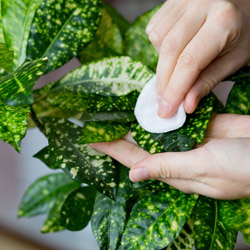
    With no regular breezes to blow away debris, houseplants can become dull and dingy without being dusted, and dust can clog their pores. Use a soft, clean cloth to gently wipe the foliage, or give plants an occasional shower to rinse away unwanted dust.

Every home can be made brighter with houseplants, even in darker rooms where there wouldn’t seem to be enough light. By choosing the right low light houseplants and caring for them appropriately, even a shadowy corner of your home can be a restful bit of nature.

A Kitchen Herb Garden

Fresh cut herbs are a delight for any cook, and when they are within arm’s reach, fresh herbs are a delight and dream come true! During the coldest months of the year, potted herbs not only offer convenient, fresh seasonings, but also fragrance, color and flowers to truly spice up the kitchen.

Growing Tips for a Kitchen Herb Garden

Growing herbs in your kitchen isn’t much more difficult than growing them in your garden. To make the transition and bring herbs to your kitchen year-round…

  • When transplanting, use a soil-less potting mix such as Pro-Mix (remember to pre-moisten the soil mix) to ensure proper drainage in small pots.
  • Place on a window sill that gets direct morning sun until noon. If that isn’t possible, opt for another well-lit, sunny window with at least 4-6 hours of bright light.
  • Provide adequate air circulation, but avoid a direct draft or chilling breeze. Do not overcrowd plants which would limit air circulation.
  • Keep temperatures between 60 and 70 degrees. Bear in mind that oven and stove use will heat up the immediate area in the kitchen.
  • Soil should be allowed to dry slightly between watering. Never leave herbs in soggy or wet soil, and drain excess water to prevent rot.
  • Group pots on a tray of moist pebbles for increased humidity to keep foliage (the tastiest part of the herbs!) lush.
  • Feed with a 20-20-20 fertilizer, but adjust the feeding schedule as needed for individual plants.

Choosing Kitchen Herbs

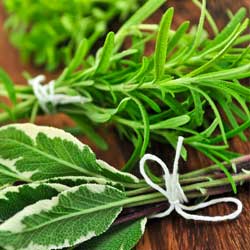
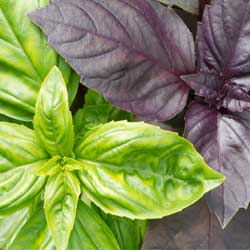
Many different herbs are actually easy to grow inside on the sill. You might choose the herbs you use most often, or those that are featured in your favorite recipes for more flavorful results. You can even consider a specialized garden, such as a salad garden with chives, small Bibb lettuce and even pansies (colorful and edible, too!). An Italian garden might include basil, garlic chives, Italian flat parsley and oregano. Customize your kitchen herb garden to any taste!

The most popular, easiest-to-grow-indoors herbs include…

  • Basil
  • Borage
  • Catnip (for your feline friend)
  • Chives
  • Lemon Balm
  • Mint (best choices include apple, wooly, Corsican, curly, orange, peppermint, pineapple, silver and spearmint)
  • Oregano
  • Parsley
  • Rosemary
  • Sage
  • Bay Laurel
  • Sweet Marjoram
  • Thyme
  • Winter Savory

No matter which herbs you choose, they’re sure to brighten not only your kitchen with their lovely foliage and aromatic fragrances, but they’ll add delectable depth of flavor to all your winter dishes, from soups and stews to roasts, marinades, breads, salads and even desserts. Enjoy those winter herbs, right in your kitchen!

kitchen-herb-2

kitchen-herb-3

kitchen-herb

Top 10 Flowers for Your Spring Containers

All through the long winter months we eagerly await signs of spring, but the wait can seem much shorter when you are planning your beautiful spring containers. Not only can containers bring an early burst of spring to your deck, patio, or porch, but you can get creative and expressive with stunning flower choices for every container.

Why Plant Spring Containers?

Why plant spring containers when the natural growing season is right around the corner? Planting pots, barrels, and window boxes can extend the growing season and help you refresh your gardening skills before the rush of spring work. Containers are also less dependent on weather conditions and can easily be moved to warmer and sunnier spots even on chilly days. Spring containers can even be brought indoors to a porch, sunroom, or garage if a hard frost threatens, and your early spring gardening doesn’t need to be in danger. Containers are easy to care for and can brighten up any part of your yard or landscape before Mother Nature gets growing again. You can even use spring containers to experiment with new flowers and greenery before committing to adding it to your landscape.
Best Flowers for Your Spring Containers

With limited space in containers, you want to choose the very best spring flowers for brilliant color and thriving growth. Spring can be a temperamental season and may still have fluctuating temperatures and uneven moisture, so it is smart to choose flowers that can tolerate some light frost or even a small snowfall. The top flowers that can make a beautiful statement in spring containers include…

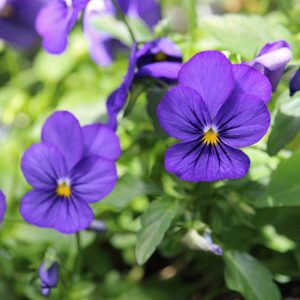
  1. Pansy – Along with their smaller cousins, violas, these classic spring flowers bring a burst of color to any container. Pansies are available in blue, purple, maroon, white, red, and yellow shades, and their delicate appearance evokes the hope and promise of the season.
  2. Daffodil – These beautiful spring bulbs are best planted in fall, or you can find blooming daffodils from the garden center. The bold yellow, white, and orange flowers are a cheerful spring accent, and daffodils are available in a range of sizes to suit any container.
  3. Stock – Stocks, or matthiolas, have a sweet scent perfect for spring, and these flowers are tolerant of cooler temperatures and light frosts, making them perfect for early spring containers. Choose from white, pink, purple, yellow, or orange varieties.
  4. Hyacinth – All types of hyacinths are spring favorites, and these bulbs come in different shades of pink, purple, blue, and white. Even the tiny “grape” varieties are ideal for spring containers, and all hyacinths can add fun textures to spring arrangements.
  5. Tulip – One of the most classic spring flowers, tulips come in a wide variety of colors and sizes, with different petal textures, like fringed, peony style, or parrot, for even more distinction. Choose variegated colors that standout or opt for classic colors in spring mixes.
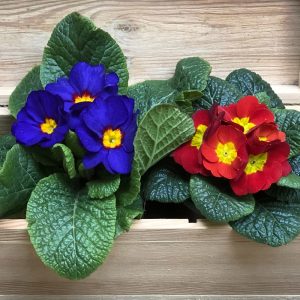
  6. Primrose – Sweet and lovely, the primrose hints at summer but is cool tolerant and ideal for spring containers. These flowers come in a rainbow of hues, including blue, white, pink, yellow, and green, giving a wide range of colors to any container plan.
  7. Diascia – Ideal as a filler, Diascia, or “twinspur”, spreads rapidly to add lushness to larger containers. The bright green foliage is a fun spring color, and the blooms can be different shades of mauve, pink, coral, rose, and white, all accented with a bright yellow throat.
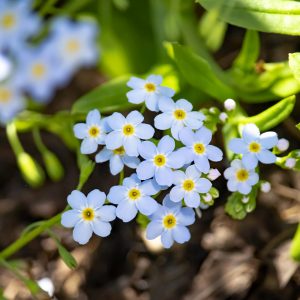
  8. Forget-Me-Not – The delicate, tiny blooms of forget-me-nots are a spring favorite, and their long blooming season means you can enjoy them even into early summer. These flowers come in different shades of blue and pink, perfect for spring arrangements.
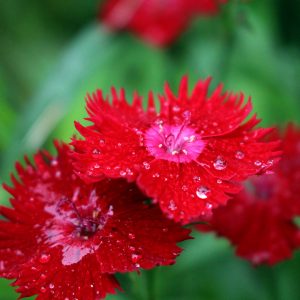
  9. Dianthus – Also known as pinks, these flowers do indeed come in many pink shades, from deep jewel tones to cheery pastels and every hue in between. The dwarf species are popular for containers, and their frilly petals add texture to any arrangement.
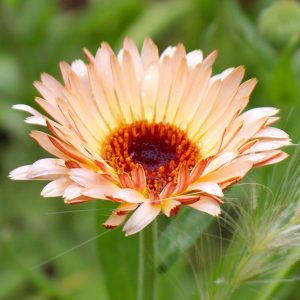
  10. Calendula – A welcome addition to any spring container, this daisy-like flower, also called “pot marigold”, is frost tolerant and the colorful petals may be used for both medicinal and culinary purposed.

These are only a few flowers that are well suited to spring containers. Visit our garden center early in the season to find even more beautiful spring blooms to choose from.

Tips for Spring Containers

No matter what flowers you choose for spring containers, they need the best care to thrive through this often-temperamental season. Choose containers with cheerful spring colors for even more drama, or opt for neutral pots and containers such as concrete, wood, or wicker so the blooms will really stand out. Frost-free or frost-resistant pots can be the best choices in early spring or if your area is prone to late freezes. To further protect your spring containers, be sure you have appropriate covers or cloches in case of frost warnings, or add a layer of mulch or moss to top dress the pots and help insulate the soil and delicate roots of the plants.

Use good quality potting soil for your containers, and fertilize spring containers gently but regularly to promote the best growth and vibrant blooms. Take care not to overwater pots, balancing your watering regimen with Mother Nature’s spring rains. Pots should have good drainage to be sure excess water can easily flow away from the root zone. Placing pots on casters or stands can also help improve drainage and be sure the pots are not sitting in spring puddles.

To help your spring containers last as long as possible, deadhead the flowers regularly with sharp, thin pruning snips. This will keep the pots tidy and encourage reblooming for a longer flowering season, letting you enjoy every spring bloom well into the season.

Healthy Soil, Healthy Plants

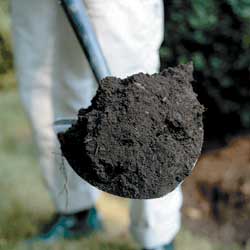
The key to successful gardening is healthy soil. This basic principle of organic gardening applies to all plants, whether it is anchor trees in your landscape, flowers adoring a bed or a garden full of vegetables. Quite simply, when you feed the soil the proper nutrients, you let the soil feed the plants. But how do you feed your soil? First, you need to understand some basic principles about soil and why it is so important, then you can take steps to improve it.

Soil Texture

To start, you should determine the soil texture by moistening the soil and rubbing it between your thumb and fingers to determine its feel. Sands are gritty and will barely hold together, clay can be squeezed into a firm, dense shape and silt will act in a way to allow particles to cling together. Sandy soils tend to dry out quickly because they contain high amounts of soil air. Clay soils, on the other hand have a tendency to pack together, shutting out air and water and minimizing evaporation. The best garden soil, loam, has moderate amounts of sand, silt and clay that balance together to provide good amounts of water and air.

If your soil is mostly clay, you will need to add sand or other aerating materials to help loosen the soil. For sandy soils, humus should be added to help retain moisture and nutrients.

Soil Structure

Next, you must evaluate the soil structure. Soil structure is affected by soil pH, the amount of humus and the combination of minerals in the soil. Ideal soils allow particles to clump together with air spaces between them for water drainage as well as oxygen consumption and carbon dioxide release from plant roots. The best way to improve soil structure is to add high amounts of organic matter like humus, dehydrated manure, composted manure, mushroom compost, alfalfa meal, peat moss or worm castings. These materials should be mixed in with your soil and allowed to decay further, both for seasonal maintenance and whenever you are planting new items in your garden or landscape.
Soil Nutrition

A soil sample is needed to measure the pH and amounts of nitrogen, phosphorus and potassium in the soil as well as other nutrients. This will help determine exactly what the soil needs to provide the best nutrition to your plants. Our staff will help you read the results and determine what to add to your soil and how much. Generally, a pH of 6.0-7.0 is acceptable for most plants and landscaping. If your pH is lower than this, your soil is too acidic and requires lime to be added. If your soil is low in organic matter, it will often have a higher pH level. All plants require a proper balance of nutrients – nitrogen (N), phosphorus (P) and potassium (K). Soils lacking any one of these elements will not produce healthy plants.

When dealing with poor or improperly balanced soils, obtaining healthy, ideal soil may take 2-5 years of dedicated work. The best thing you can do to supplement your soil program in the meantime is to use various organic fertilizers to meet your plants’ needs and regularly add organic matter. This will continue to help improve the soil structure as well as create biological activity that is also a vital part to developing productive soil.

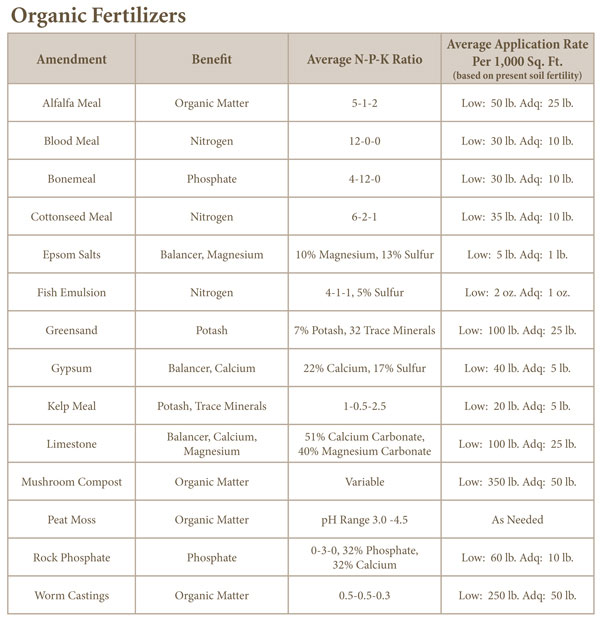
Want to know what to add to your soil to nourish your landscape? This handy chart can help!

fertilizer_chart

healthy_1healthy_2

Caring for Orchids

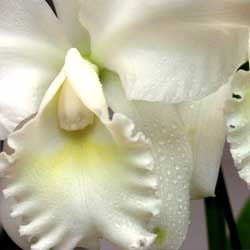
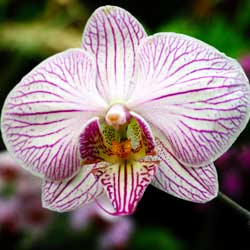
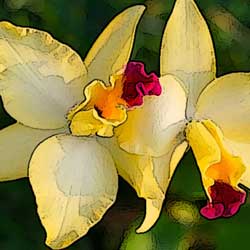
Orchids can be an amazing addition to your indoor landscape, but unfortunately they have a reputation for being finicky and difficult. While they do require precise care, if you know what their needs are, you can easily grow a variety of beautiful orchids and enjoy their exotic loveliness throughout the year. To care for orchids properly…

  • Provide Good Light
    Orchids need at least 6-8 hours of bright indirect light or morning sun. Light is the key with growing orchids – without enough proper light, an orchid may live 20 years but never rebloom.
  • Increase Humidity
    Orchids are tropical and some varieties require from 65-75 percent humidity. The plant can sit on pebbles in a water-filled tray that is kept filled up as it evaporates. Grouping orchids can also improve their collective humidity.
  • Adjust Temperature
    Ideal orchid temperatures vary depending on the type of orchid and the time of year. Warm orchids require 55-65 degrees temperatures at night with daytime warmth reaching 75-85 degrees. Cool orchids need the same night time temperatures, but only 65-75 degrees during the day.
  • Water Appropriately
    Water the plant every 5-7 days in the sink, as the growing medium has fast drainage. Smaller orchids may need watered every 3-4 days. The water should be room temperature and without any additives other than fertilizer.
  • Fertilizing
    Use a Blossom Booster fertilizer with every other watering while in bloom. When not in bloom, use 30-10-10 fertilizer every two weeks.
  • Repotting
    Use only a potting mixture designed for orchids. These mixes are made up of different size fir bark pieces, perlite and even charcoal. Repot your orchid when it is nearly overgrown with roots and is not in bloom. This will average about every 2-4 years.
  • Resting Period
    After blooming or producing new growth, most orchid varieties go into a rest period. Reduce the watering slightly and maintain good lighting to allow them to reenergize.

Blooming Orchids

Each type of orchid requires different conditions to bloom (example: Phalenopsis need 6 weeks of cold nights). When you achieve that delicate balance and your orchid bursts forth with a delicate bloom, make sure you do not change your cultural practices or the plant will abort the buds. Even a small change in humidity, temperature or light can cause the plant to abort its bloom, but when you keep the conditions stable, you’ll enjoy the reward these exotic flowers offer.

caring-orchid-1

caring-orchid-2

caring-orchid-3

Insect Control Begins Now

It’s hard to think of insects in winter, but don’t forget the havoc these tiny creatures can bring to your garden – defoliating leaves, contaminating produce, even destroying complete plants. Before these pests begin to be a problem is the perfect time to take steps to control them.

Why Winter Control?

Late winter is the right time to control insects for two reasons. First, the insects and their eggs are just coming out of dormancy. The shells and protective coverings are softer and more porous in late winter, and so are more vulnerable to the effects of oils and sprays. Second, the oil-water mixture should not freeze on the tree or plants, which could damage the plant and make the spray far less effective. When you spray, the temperature should be above 40 degrees. Delay spraying if freezing night temperatures are predicted. Choose a calm day for spraying to be sure stray breezes and cross winds do not spread the spray to plants you don’t want covered.

Insects to Control

In late winter, before any leaf buds begin to open, spray Bonide All-Season Oil or Dormant Oil Spray on fruit trees or other ornamental trees or shrubs to suffocate over-wintering aphids, thrips, mealybugs, whitefly, pear psylla, scale and spider mites that cling to the bark. The treatment will also destroy the eggs of codling moths, Oriental fruit moths and assorted leaf rollers and cankerworms. Don’t wait until the buds have burst in early spring, as the coating of oil will also smother the emerging plant tissue.

Tree Spraying Tips

While small shrubs can be easy to treat, larger trees are more challenging to be sure you don’t leave any area untreated where insects can thrive. Spray the whole tree at one time, concentrating on the trunk, large branches and crotches, rather than spraying down a whole row of trees at one pass. If you’ve experienced extremely bad infestations of insects, you might treat your trees a second time. But be sure to spray before the buds are near the bursting point. Dormant oil can also be used after the leaves have dropped in the fall. Never spray when any foliage or fruit is on the trees or you risk unwanted pesticide contamination.

After you spray, be sure to store any remaining oil properly and out of reach of children and pets. Containers should be labeled clearly and kept in cool, dark spaces to preserve their usefulness. Avoid reusing any sprayers to minimize the risk of cross contamination or inadvertent use.

Spraying for insects in winter may not be the most glamorous job, but you’ll appreciate the improvement in your trees through the spring and summer when you’ve nipped your insect problems in the bud.


insect-control-begins

Winter Houseplant Care

With programmable thermostats, double-paned windows, and other tricks, we are able to keep our homes at the same climatic comfort level year-round. Indoor houseplants, however, can be sensitive to subtle seasonal changes. Even in a balanced home environment, proper winter houseplant care is essential to help plants thrive through this challenging season.

Winter Changes in Home Climates

While the winter changes in our homes are more subtle than the harsh freezes and deep snowfall outdoors, our home environments actually change more than we may realize. Depending on the conditions we like to maintain and the climate outdoors, winter changes may include…

  • Fewer hours of daylight, and the daylight that does exist is less intense than during the summer.
  • Lower temperatures often accompanied by chilly drafts from windows and doors.
  • Lower humidity levels, particularly if central heat has been running, which can dry out air.

These conditions are less than ideal for many houseplants, particularly tropical species that are adapted to longer hours of sunlight, higher temperatures, and richer humidity. Fortunately, with some extra care, winter houseplants can adapt and thrive even during the harshest winter months.

Adjusting Winter Houseplant Care

There are several steps you can take to adjust your houseplant care during the winter. Easy and effective steps include…

  • Reducing Watering – Many houseplants go dormant in the winter, and while their growth is slowed, they require much less water. Overwatering in winter can lead to root rot and other plant damage, so avoid watering houseplants excessively in the winter months. When you do water your houseplants, use room-temperature water to avoid shocking the plants’ roots.
  • Reducing Feeding – Similar to reducing the water a plant receives while dormant, reducing fertilizer is a good step to care for winter houseplants. Plants do not need as much nutrition when their growth is slowed and reducing plant food until spring will keep the plants from developing leggy or spindly growth.
  • Improving Humidity – Using a humidifier is a great way to provide better humidity for winter houseplants. Other options include clustering plants together so they can share the humidity from their own respiration, as well as positioning plants in a bathroom where humidity is naturally higher. Misting frequently can also help improve humidity, as can using a pebble tray underneath the plants, so long as the pots are not resting in water.
  • Relocating Plants – Moving winter houseplants to south or west-facing windows where they will get more light can help them thrive in winter. Take care that the plants’ foliage does not brush window glass, however, or the plants may get chilled or frosted.
  • Supplementing Light – In darker rooms or when dreary winter days seem endless, adding supplemental lights near houseplants can help them flourish. Choose the appropriate bulb size and strength for your plants’ needs. Other steps to increase natural light include opening draperies and washing windows so more light reaches each plant.
  • Dusting Plants – Houseplants easily acquire a layer of dust and debris without outdoor breezes to keep them clean. Use a soft, damp cloth to carefully wipe each plant’s foliage to remove that dusty layer or give plants a gentle shower to water and clean them at the same time. Clean plants will be able to absorb light more effectively.
  • Rotating Plants – Plants will stretch and turn their foliage in an effort to reach more sunlight, particularly in winter. To minimize this stretching and help keep plants growing straight and upright, rotate them every few days. This is easy to do for larger plants on casters or mobile plant stands.
  • Watching for Pests – Even in winter, pests can infest houseplants. Be diligent about watching for spider mites, mealy bugs, fungus gnats, and other common houseplant pests, and use insecticidal soap or neem oil spray to control the pests as soon as they appear, keeping the infestation from spreading to other plants.

Houseplants have many benefits, particularly in winter when an urban jungle can help mitigate Seasonal Affective Disorder and alleviate the depression and anxiety that often accompanies dreary winter days. By following proper winter houseplant care, you can keep all your plants happy and thriving even during more challenging months, just when you need their inspiration and a connection to nature the most.